
As if I wasn’t predictable enough, a blog criticising the RCSA is followed by a blog about AI. One about All of Government and another taking the p*ss out of Consult will make it a full-house. However, short of a seriously lame post comparing “your next hire” with an Olympic snowboarder or prematurely celebrating a strong recruitment market, what’s a blogger gonna do?
I write this following a Stuff article where various individuals and industries bemoan the affect that Artificial Intelligence (or “AI” as I like to call it – you can use that one if you’d like) is having on their industry. To summarise, a language translator has gone from earning $120k a year to $40k a year, and a graphic design student isn’t finding work illustrating kids books as readily as they once may have. I’m being slightly facetious, but you get the point. Apart from the click-bait opening of the article, there’s a few interesting nuggets in the article. Let me paraphrase some of them;
- We don’t have enough data here in NZ to know (yet) what AI is doing to the work force
- Data suggests a reduced demand for new hires, with 40% of employers saying they were not making people redundant, but we’re hiring fewer new roles. If this is due to AI, we do not know
- Some coders have already stopped coding, but still check the code that AI (which they prompt) writes
- Only 10% of jobs are exposed to AI in the near term
And interestingly, and contrary to some of the rhetoric….
- A recent international survey suggests that two-thirds of white-collar workers say AI saves them less than two hours a week or no time at all
So it would seem that AI in general is having less of an impact on us than many would have us believe, apart from certain industries which have been totally upended. You’re probably not losing your job because of it just yet, but you might not get a new one. Being able to speak and translate Serbo-Croat has lost its charm, coders are proof readers, and most of us corporate bods and nodding and smiling as our CEOs scream “AI!!! WHAT ABOUT F*CKING AI!!!!”. The only certainty is the uncertainty around how this revolution will affect us and our children. Today, the future of work is totally unknown, unknowable, and unpredictable. Glad to clear that up.
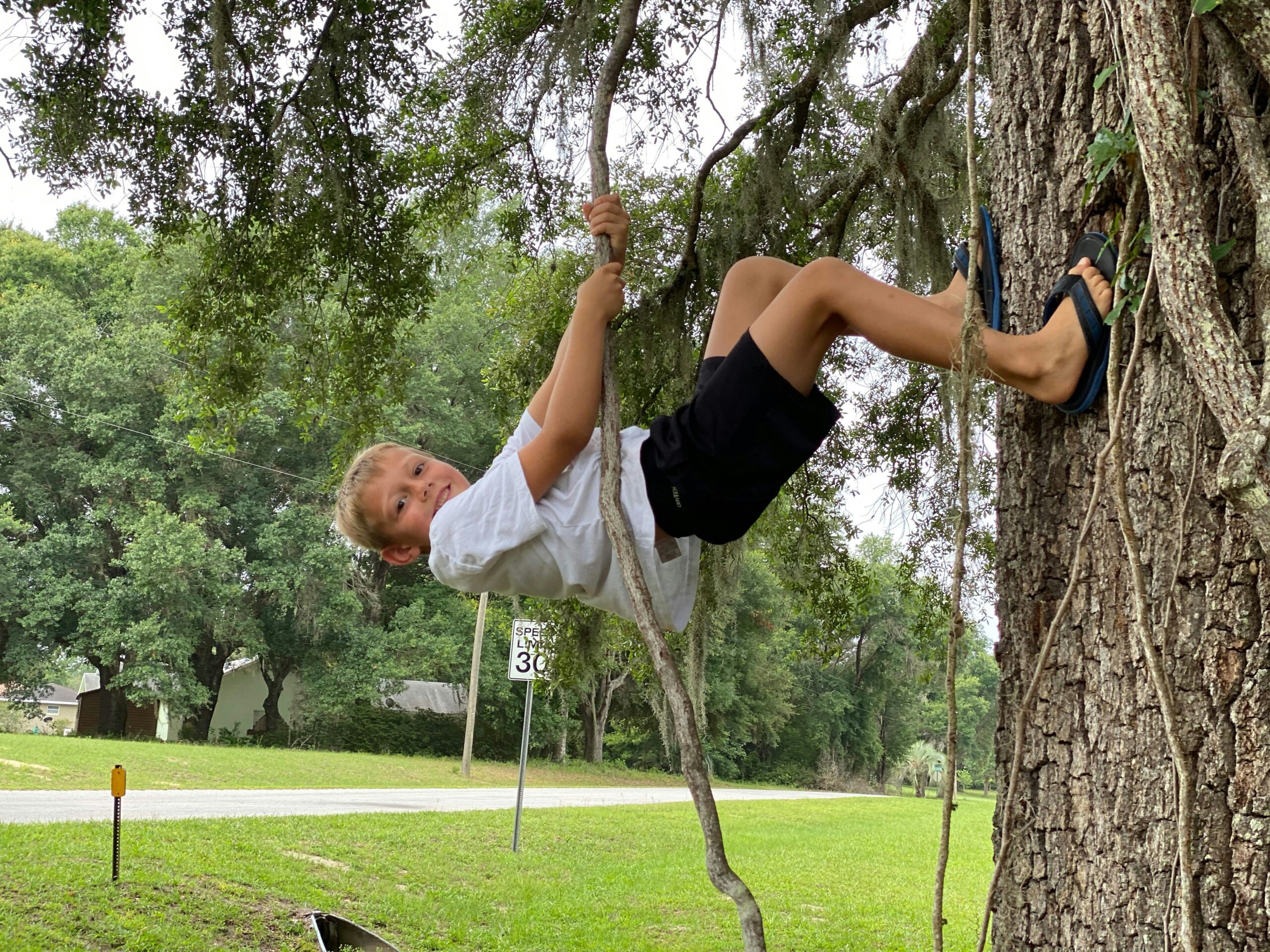
I saw another article yesterday which got me thinking about where us humans fit in to all this. If you want to feel bad about yourself as a parent, or gloat over the posh school your over-privileged loser kids go to, you’ll love reading it. Of course, it’s behind a paywall, but it essentially ranks those NZ schools which did well at some meaningless exam, and also lists (by name) the kids who did well at the meaningless exams. Personally, it’s not to my tastes, but there you go. Now I’m sure we’re meant to see these kids as winners, and I’m sure they’re little smashers, but all I see is overbearing parents forcing education, violin lessons, and after-hours tutoring down a kids throat. A kid who should be climbing a tree, breaking school windows after hours, or smoking a doobie in a playing field. My feelings around this aren’t just based around my desire for the workers to rise up and seize the means of production against the bourgeoisie. It’s rooted in the initial Stuff article. If AI is to increasingly encroach into our technical expertise, where do us humans make space for ourselves? For us recruiters, if AI becomes a better candidate sourcer, what are we going to do? And what skills are our clients going to be trying to hire when AI can code, translate, analyse, design, and compute better than any of us humans could ever achieve? My wife is a kidney transplant doctor and works with plenty of people who would have featured on the list of international brainiacs. Many of these people are supremely academically gifted, but lack the one quality that would make them great doctors; the ability to actually establish a middle ground of communication with someone from a different walk of life, and communicate effectively in this space.
All of us probably need to accept that being a great technician of any craft won’t be enough in the future world of work. Long-term future-proofing probably won’t be about technical upskilling. Instead, it might be more about sounding sympathetic when your client’s dog dies, making a supplier laugh, or being an all-round good egg in the office. And you can only learn that stuff by climbing trees, breaking windows, and smoking the occasional doobie.
¡Viva la revolución!
^SW